
Pollinator Observation Days: Help Protect Pollinators at the Ship Canal Dunes
This summer, you can help scientists better understand pollinators—and all it takes is 10 minutes of observation.
Community members are invited to take part in Pollinator Observation Days at the Sturgeon Bay Ship Canal Nature Preserve, a weekly citizen science opportunity that offers a chance to contribute to conservation while exploring one of Door County’s most unique habitats.
Held every Wednesday morning from 10:00–11:00 a.m. beginning June 17 through July 15, volunteers will collect valuable data from the preserve’s dune habitat, where native plants, pollinators, and wildlife have adapted to thrive in challenging conditions shaped by wind, sand, and Lake Michigan.
Why Pollinators Matter
Pollinators play a critical role in healthy ecosystems. Many native plants—and even crops we rely on—depend on pollinators to reproduce. But changing weather patterns, habitat loss, and climate change are affecting pollinator populations in ways scientists are still working to understand.
That’s where community observations can make a difference.
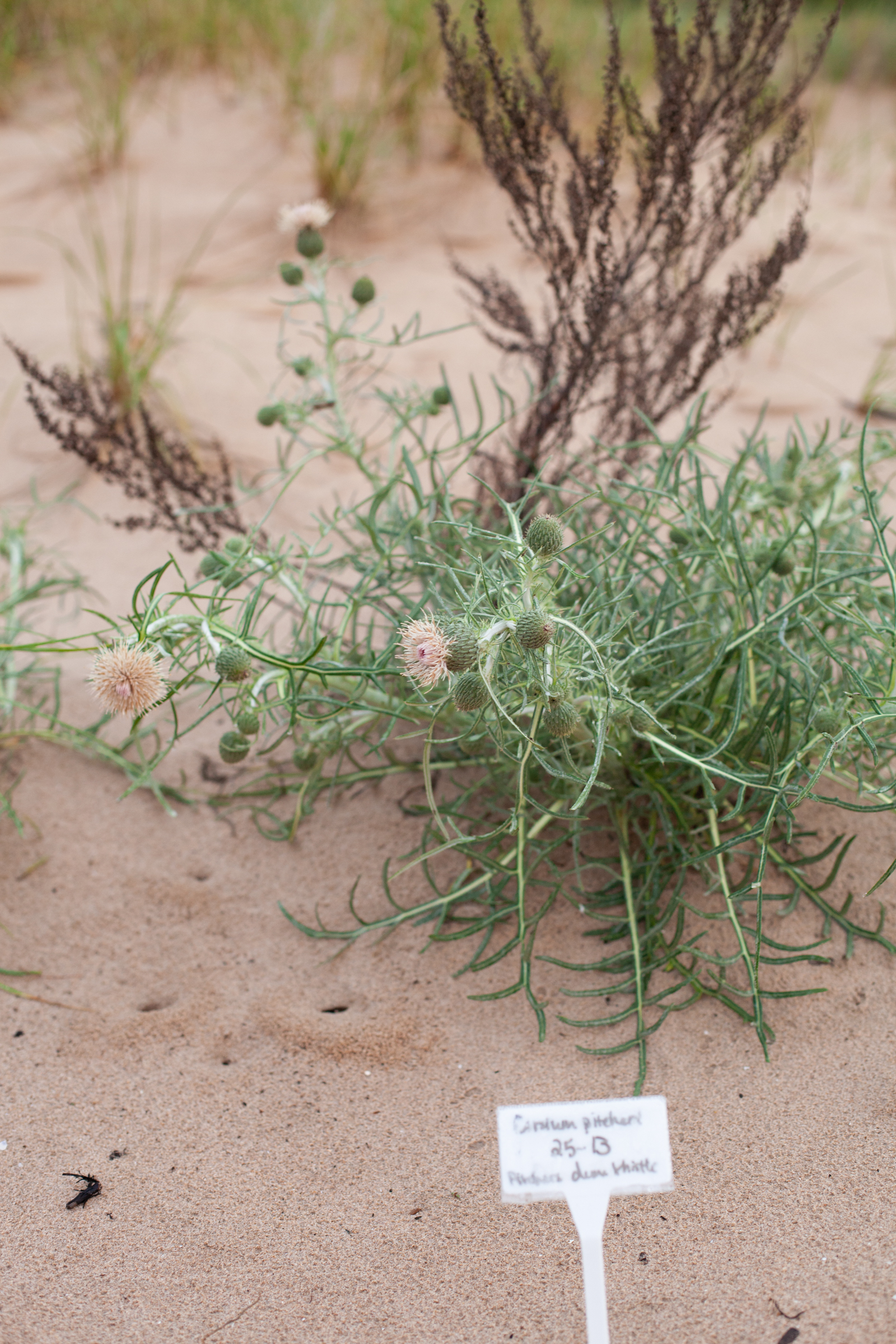
Pollinator Observation Days are part of a larger collaboration with the Chicago Botanic Garden to study and conserve the federally threatened Pitcher’s dune thistle, a rare native plant specially adapted to Great Lakes dune ecosystems. By monitoring pollinator activity, volunteers will help researchers better understand the relationships between native plants and the pollinators they depend on.
What Volunteers Will Do
No scientific experience—or pollinator identification expertise—is necessary.
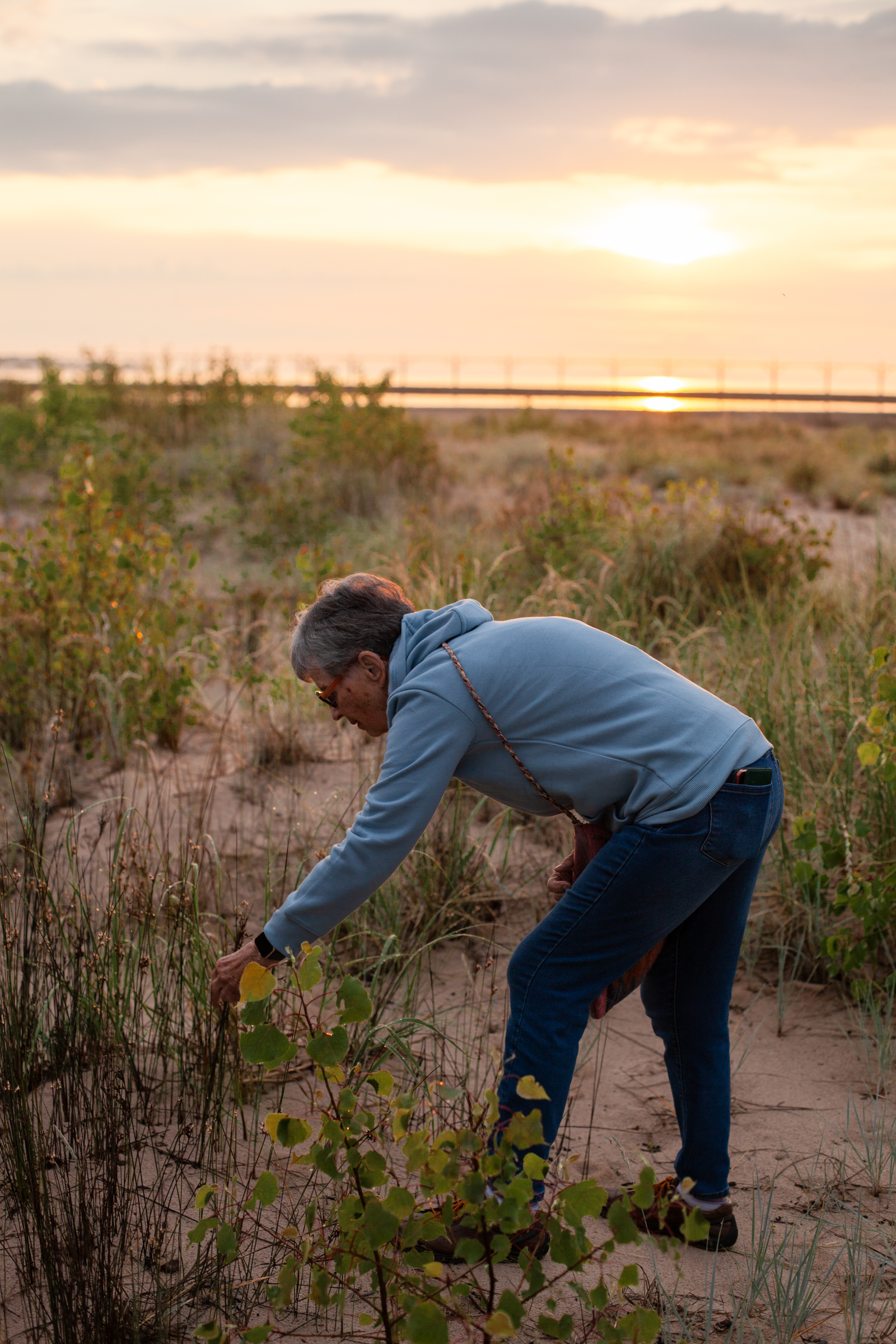
Participants will observe a single flowering plant for 10 minutes and record how many pollinators visit during that time. Rather than identifying exact species, volunteers will sort observations into seven easy-to-recognize groups:
- Hummingbirds
- Beetles
- Butterflies & moths
- Honey bees
- Small bees & flies
- Bumble bees
- Large bees & wasps
The process is simple, approachable, and meaningful. Every observation helps build a clearer understanding of how pollinators are interacting with native plants and how those relationships may shift over time.
Flexible Participation, Meaningful Impact
Whether you can attend one session or every Wednesday, participation is flexible. Volunteers are welcome to join one day, several days, or every observation day—whatever works best with their schedule.
Even a single observation contributes valuable information to a growing body of research, making this an easy way to support conservation on your own terms.
More Than Citizen Science
Participating in Pollinator Observation Days is also an opportunity to slow down and experience the natural world in a new way.
Volunteers will learn more about local pollinators and the native plants they depend on, spend time in a rare and beautiful dune habitat, and become part of a larger community of citizen scientists contributing to conservation research.
Whether you’re a longtime nature enthusiast or simply curious to learn more about the natural world around you, Pollinator Observation Days offer an easy and rewarding way to get involved.
Join the Effort
To participate, email Paige Witek at stewardship@doorcountylandtrust.org to receive a training video and additional resources before observations begin.
Sometimes, meaningful conservation starts with something simple: standing still, paying attention, and observing the life buzzing all around us.

Explore this preserve
Sturgeon Bay Ship Canal Nature Preserve
445 acres · Town of Sturgeon Bay
2.5 mi · hiking · birding
Open in Preserve Explorer →