
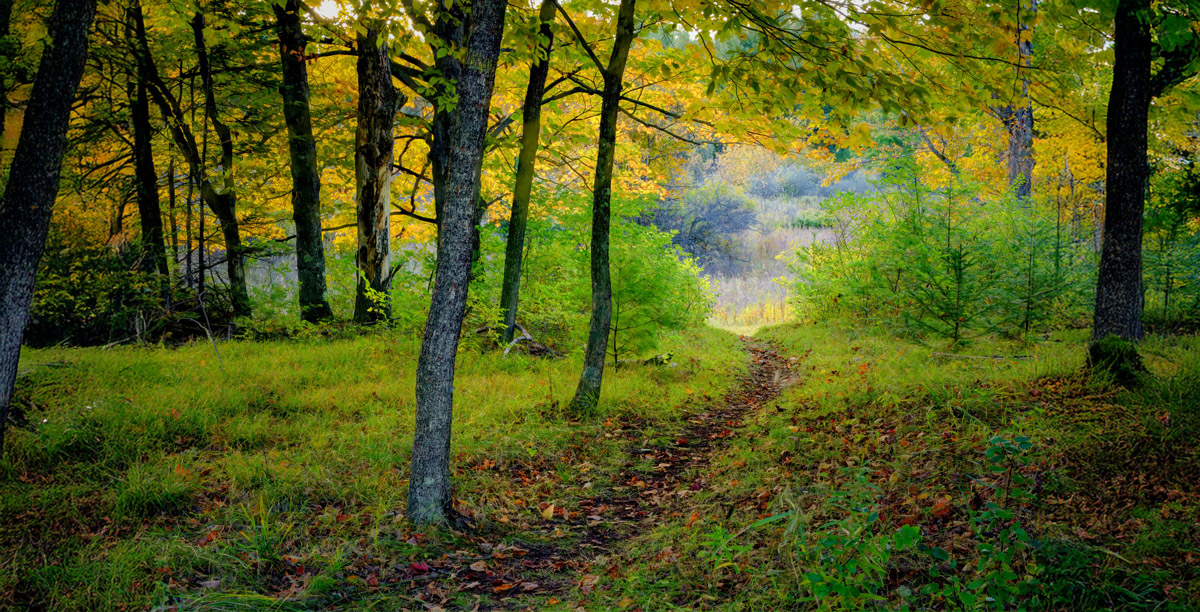
Conservation Easements
Protect your land. Keep your land.
© Dan Eggert
What Is a Conservation Easement?
A voluntary, permanent agreement between a landowner and the Door County Land Trust.
A conservation easement limits or eliminates altogether future development rights and restricts certain land uses to preserve its natural, scenic, or conservation values, while allowing you to retain ownership, live on the land, and transfer it as you wish.
You decide the level of conservation value protection. DCLT is responsible for upholding the terms of the agreement in perpetuity.
Why Landowners Choose a Conservation Easement
"We have an obligation to pass as much of this beauty and naturalness on to the next generation as we can."
— Mike Schmitz, conservation easement donor
Common Questions
Can I still live on or use my land?
Yes. Each conservation easement is custom-written to reflect your goals for the property.
Can I still hunt on the land?
Yes. DCLT conservation easement agreements are silent on hunting. As the private landowner, you determine whether hunting occurs on your property.
Is the land open to the public?
No. Conservation easements do not open your property to public access.
Will this affect my taxes?
Possibly. The donation may qualify for a federal income tax deduction, and your property taxes may change. Please consult your tax advisor.
The Process
Initial Conversation
Talk with DCLT about your land and goals.
Site Visit & Evaluation
Our team visits to understand the land's conservation values.
Title Review & Draft Agreement
Tailored to your wishes and the land's features.
Appraisal & Tax Review
Optional — you may choose to appraise the value of your conservation easement donation for tax purposes.
Finalize and Record
The conservation easement is recorded with the county and lasts forever.
Stewardship Begins
DCLT monitors the land annually to uphold the terms of the conservation easement agreement.
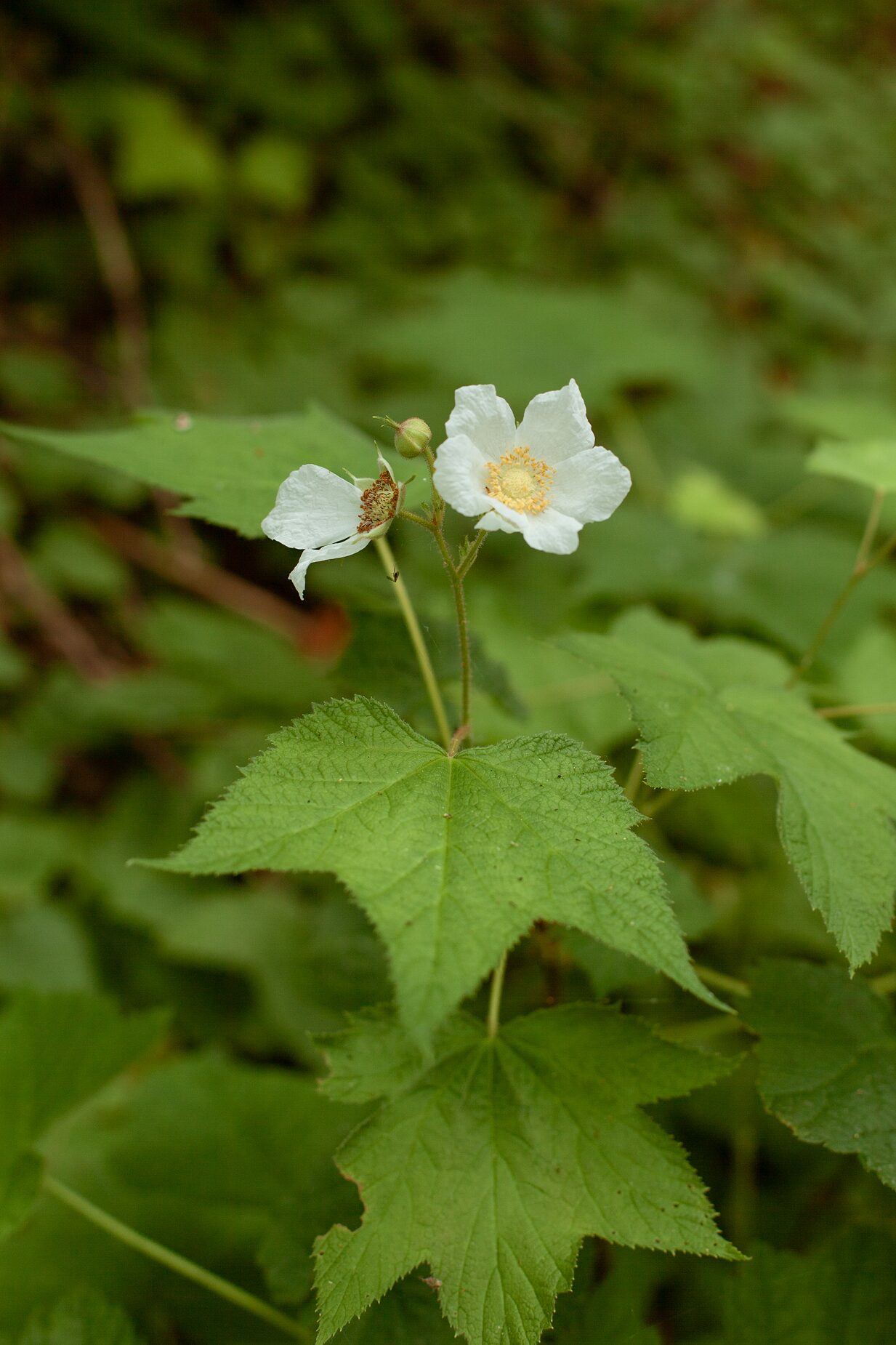
What Is Protected?
Every conservation easement is different, but most protect:
- Native forests and migratory bird habitat
- Significant geological features
- Riparian and ecological corridors (wetlands, streams and rivers)
- Surface water and groundwater
- Shorelines or wildlife habitat
- Scenic and open space values
- Rare plant or animal communities
Some conservation easements include building envelopes — defined zones where limited development may be allowed.
Myths & Facts
Myth: I lose control of my land
Fact: You keep ownership and control use within the agreed terms.
Myth: The public will have access
Fact: No. Public access is not granted unless you choose to allow it.
Myth: CEs are one-size-fits-all
Fact: Each conservation easement is custom written for the land and the landowner.
Myth: My family cannot build here
Fact: Some limited development may be allowed in defined building envelopes.
Indicate Your Interest
Filling this out lets our conservation easement team know you're considering protecting your land. We'll reach out for a confidential conversation — no pressure, no obligation.
Prefer to call? Reach our conservation easement team at (920) 746-1359