
Working Lands
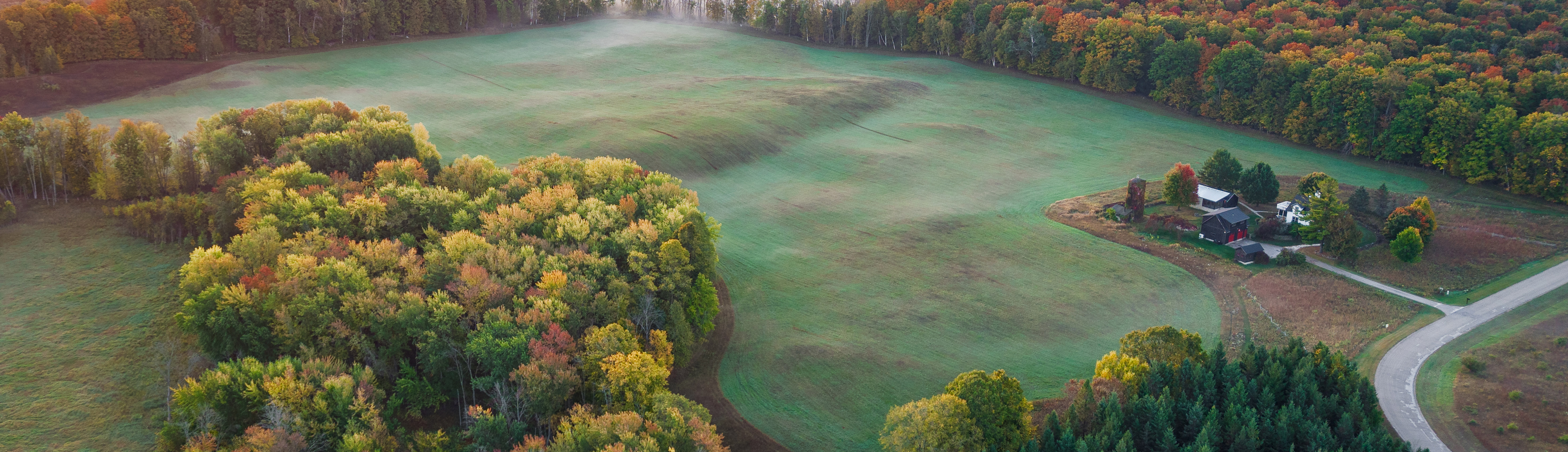
Farms, forests, and orchards are not just scenery — they are the backbone of Door County.
Why Working Lands Matter
Door County's identity is woven from cherry orchards, dairy farms, forests, and family land passed down through generations.
These working landscapes do more than produce food and timber — they are essential to our environment and community.
What Working Lands Do
- Filter water flowing to Green Bay
- Provide wildlife habitat and corridors
- Store carbon and build healthy soils
- Support local food and timber economies
- Define Door County's rural character
- Connect and buffer nature preserves
Three Ways We Protect Working Lands
Each pathway reflects a different relationship between landowner, land, and future use.
Conservation Easements
The land stays with you.
A voluntary legal agreement that permanently limits development while you retain ownership. Continue farming, forestry, or other compatible uses — and pass the land to the next generation with protections in place.
Best for: Landowners who want to keep working their land and protect it forever.
Land Donation or Sale with Continued Use
We own it, agriculture continues.
Landowners donate or sell land to the Land Trust, and we work with farmers or foresters to keep it in productive use through lease arrangements. The land is protected, and working traditions continue.
Best for: Landowners ready to transfer ownership but who want the land to remain productive.
Land Donation or Sale with Restoration
We own it, nature reclaims it.
Some working lands have high ecological potential — former farms that could become wetlands, prairies, or forests. When appropriate, we phase out agricultural use and restore native habitat.
Best for: Land with restoration potential, or owners who want to see it return to nature.
The Bigger Picture
Protecting working lands is not just about individual properties — it is about maintaining the connected landscape that makes Door County work. Farms and forests buffer our preserves, filter water, and provide corridors for wildlife.
When we protect working lands, we strengthen the entire ecosystem. Our goal: protect more working lands while helping at least 25% transition toward ecological restoration where appropriate.
Own Land You Want to Protect?
Whether you are farming it, foresting it, or thinking about its future — we would love to talk about your options. No pressure, just conversation.